1. Needs Analysis According to Discovery and Production Plan
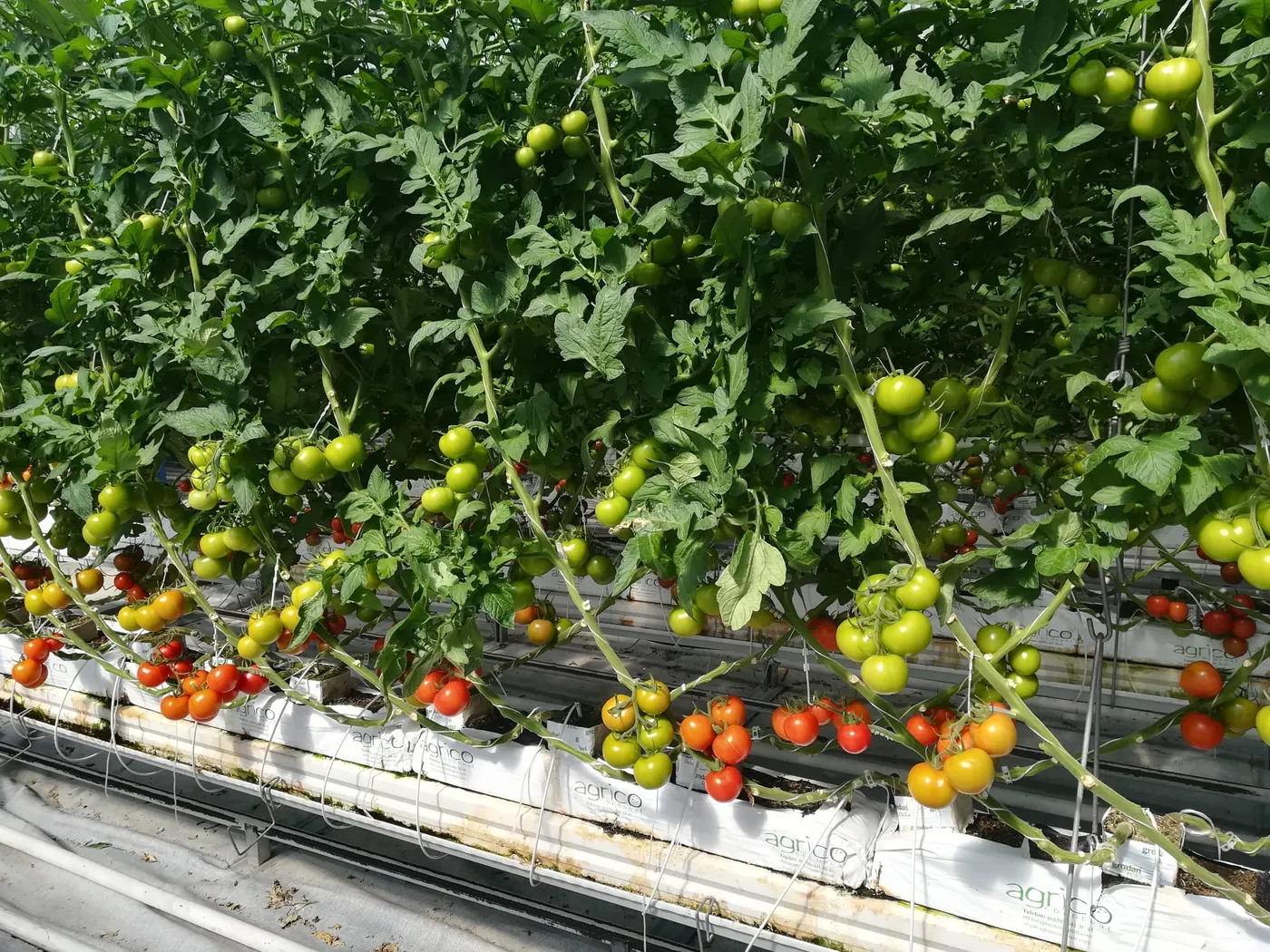
Greenhouse irrigation systems before it is installed, the greenhouse area, crop variety, growing medium (soil, soilless, cocopeat, etc.) and daily water consumption must be clarified. Greenhouse irrigation systems within our service, DEAGRO first carries out a site survey and determines the zone plan, line lengths and irrigation frequency. At this stage, the existing water source, electrical capacity and tank requirement are also recorded.
In soilless or hydroponic production, the nutrient solution and irrigation lines are evaluated separately. The wrong flow rate or pressure selection causes emitter clogging and inefficient irrigation. The site survey report forms the technical backbone of the installation.
2. Water Tank, Pump and Filter Selection
In greenhouse irrigation infrastructure, modular steel water tank, plays a critical role in meeting peak demand and protecting the pump. When calculating the tank volume, the daily irrigation amount, reserve time and any fertilizer preparation need are taken into account. The pump flow rate is selected according to the total line length and the highest elevation difference.
The filter system is set up with a combination of a sand filter, disc or screen filter and, if necessary, a hydrocyclone. If the water quality at the greenhouse inlet is low, the emitter lifespan is shortened. Filter maintenance intervals should be explained to the business during installation.
3. Line Planning and Drip Infrastructure
The main line, submains and laterals are laid according to the project drawing. Drip irrigation lines, the emitter spacing, flow rate and pressure class must suit the type of crop. Valve stations, pressure regulators and flush valves are placed at the correct points. In-greenhouse zoning provides independent irrigation for different plant groups.
After the line installation is completed, a pressure test and zonal flow measurement are carried out. Lines with leaks, clogs or low pressure are remedied before commissioning. This step provides water and energy savings in the long term.
4. Automation and Commissioning
With optional automation, irrigation times, EC/pH monitoring and valve control can be managed from a central panel. During commissioning, the programs are tested; the facility staff is trained on use and on intervention in case of a fault. DEAGRO provides post-installation technical support and periodic inspection service.
Investment in greenhouse irrigation systems directly affects production efficiency. With professional planning, both water and labour costs decrease. You can contact us to evaluate your project together.
Let's plan your greenhouse irrigation project
Contact DEAGRO expert team for discovery and project proposal.